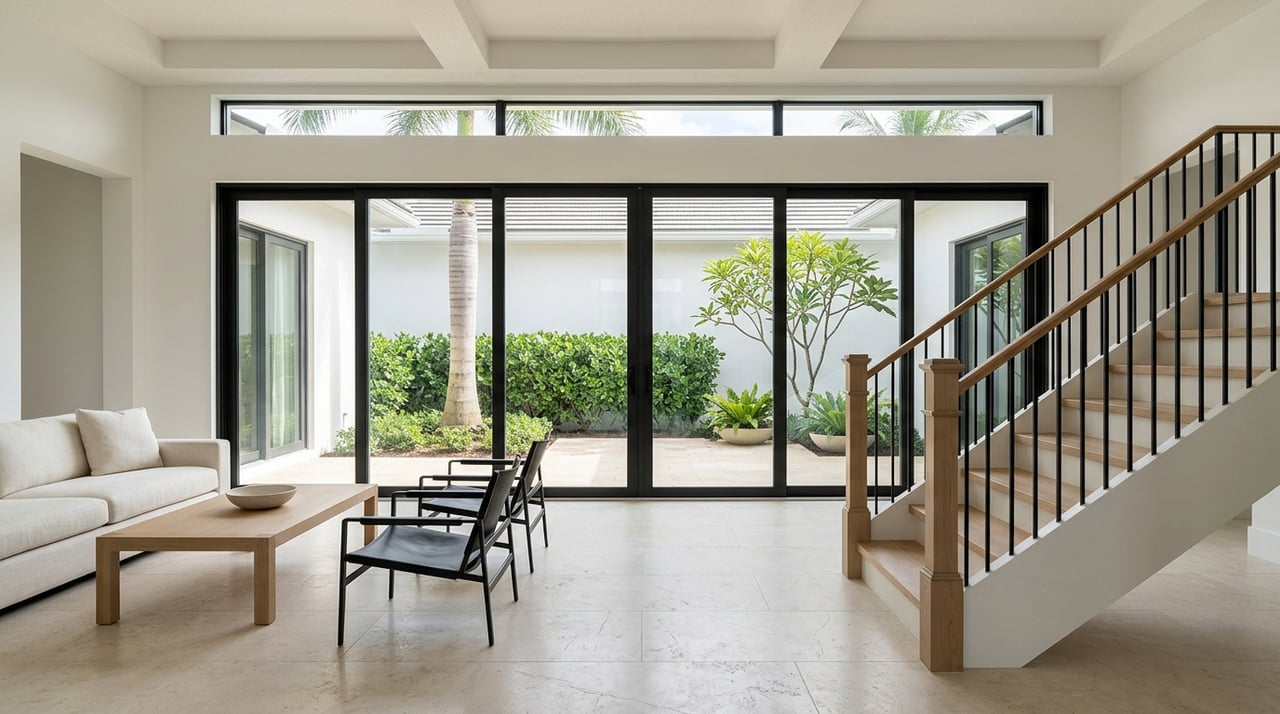
Thinking about building new or taking on a major remodel in Pine Ridge Estates? On lots this large and valuable, early decisions can shape everything from your design options to your timeline and budget. If you want to avoid costly surprises and make smarter choices from the start, this guide will walk you through the key factors to review before plans move forward. Let’s dive in.
Start With the Lot, Not the Floor Plan
In Pine Ridge Estates, the lot often drives the project more than the house concept does. The neighborhood traces back to older recorded covenants and developed through multiple phases, which means parcel-specific details matter.
Pine Ridge is made up of three platted subdivisions recorded in Collier County. That matters because setbacks, easements, restrictions, and layout assumptions may not be identical from one property to another. Before you finalize design ideas, verify the exact plat and any recorded restrictions tied to your specific parcel.
The neighborhood’s own materials also point to the importance of parcel-level review. Available maps include street-address, directional, topographical, and water-line references, which is a good reminder that land conditions can influence where and how you build.
Check Zoning Limits Early
Large lots can create a sense of flexibility, but they still come with clear development rules. In Collier County’s estate zoning, the minimum lot area is one acre, with setbacks of 75 feet in the front and rear and 30 feet on the sides.
Those dimensions can have a major effect on a new build or expansion. They shape the buildable envelope for the main home, pool layout, guest space, garage placement, and outdoor living areas.
Accessory structures also need extra attention. In Agricultural and Estates districts, detached structures such as pool houses and detached garages must meet the same setback requirements as the principal structure. If you assume an outbuilding can be tucked closer to a property line, you may need to revise your plans later.
Guesthouse Rules Matter Too
If you are hoping to include guest accommodations, Collier County does allow detached guesthouses in estate zoning, but only within specific limits. Guesthouses can be up to 750 square feet, with a minimum of 500 square feet and one habitable floor.
They may be built above a garage or connected to the main home by an enclosed breezeway or corridor up to 8 feet wide. That creates useful flexibility, but the design still needs to fit the code framework from the beginning.
Understand Permit Requirements Before Work Begins
In Collier County, permits are required for a wide range of residential work. That includes projects that construct, enlarge, alter, repair, move, demolish, or change the occupancy of a building, along with regulated electrical, gas, mechanical, and plumbing work.
The county lists the current residential code as the Florida Building Code, 8th Edition, 2023. For homeowners, that means even a renovation that seems straightforward may involve more formal review than expected.
If you are buying with the intention to renovate, permit research should happen before closing whenever possible. It is much easier to evaluate feasibility early than to discover limitations after you already own the property.
Watch for Substantial Improvement Triggers
One of the most important remodel issues in Pine Ridge Estates is the substantial improvement threshold. In Collier County, a project is considered a substantial improvement when the cost equals or exceeds 50 percent of the structure’s market value before construction.
If that threshold is met, the home must comply with the current Florida Building Code and the county’s floodplain ordinance. That can significantly expand the scope of work.
For some properties, especially those in a flood hazard area, this may bring elevation requirements and flood-resistant design into the project. In practical terms, a remodel budget can change quickly if your plans cross that threshold.
Why This Matters for Remodeling Strategy
Many owners begin with a cosmetic or partial renovation in mind. But once structural work, systems updates, or additions are layered in, the project can move into a different regulatory category.
That is why it is so important to compare the planned scope against the home’s pre-construction market value early in the process. A thoughtful review upfront can help you decide whether a lighter remodel, a more complete renovation, or even a new build makes the most sense.
Budget Beyond Construction Costs
In estate neighborhoods, project budgets often expand beyond design and building costs alone. One item owners sometimes overlook is impact fees.
Collier County states that impact fees are assessed on applicable building permits, and fire impact fees are due at permit issuance. The county also published updated residential and commercial fee rates effective May 1, 2026.
You should also plan for the possibility that site conditions, code compliance, and flood-related requirements may affect overall costs. A realistic budget leaves room for permit-related expenses and parcel-specific constraints, not just finishes and square footage.
Design for Pine Ridge, Not Just for Size
Pine Ridge Estates is known for large homesites, mature landscaping, and a custom-home feel. In that setting, the strongest projects usually respond to the scale of the property rather than simply maximizing house size.
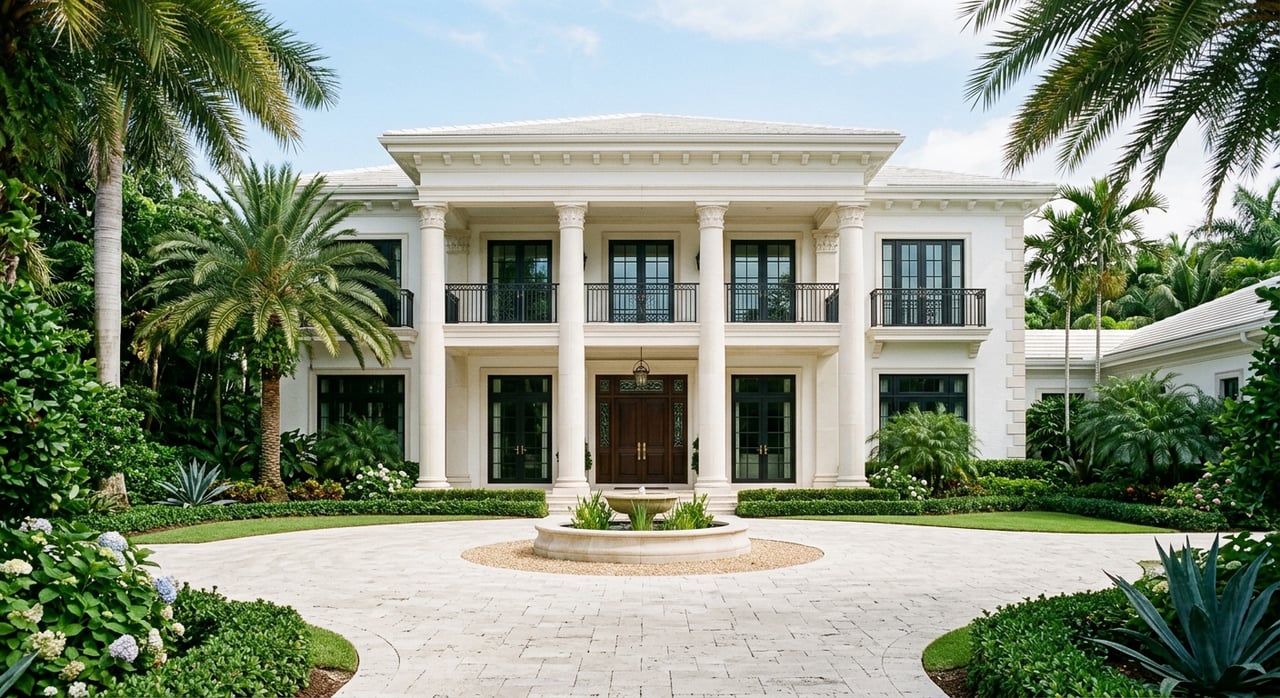
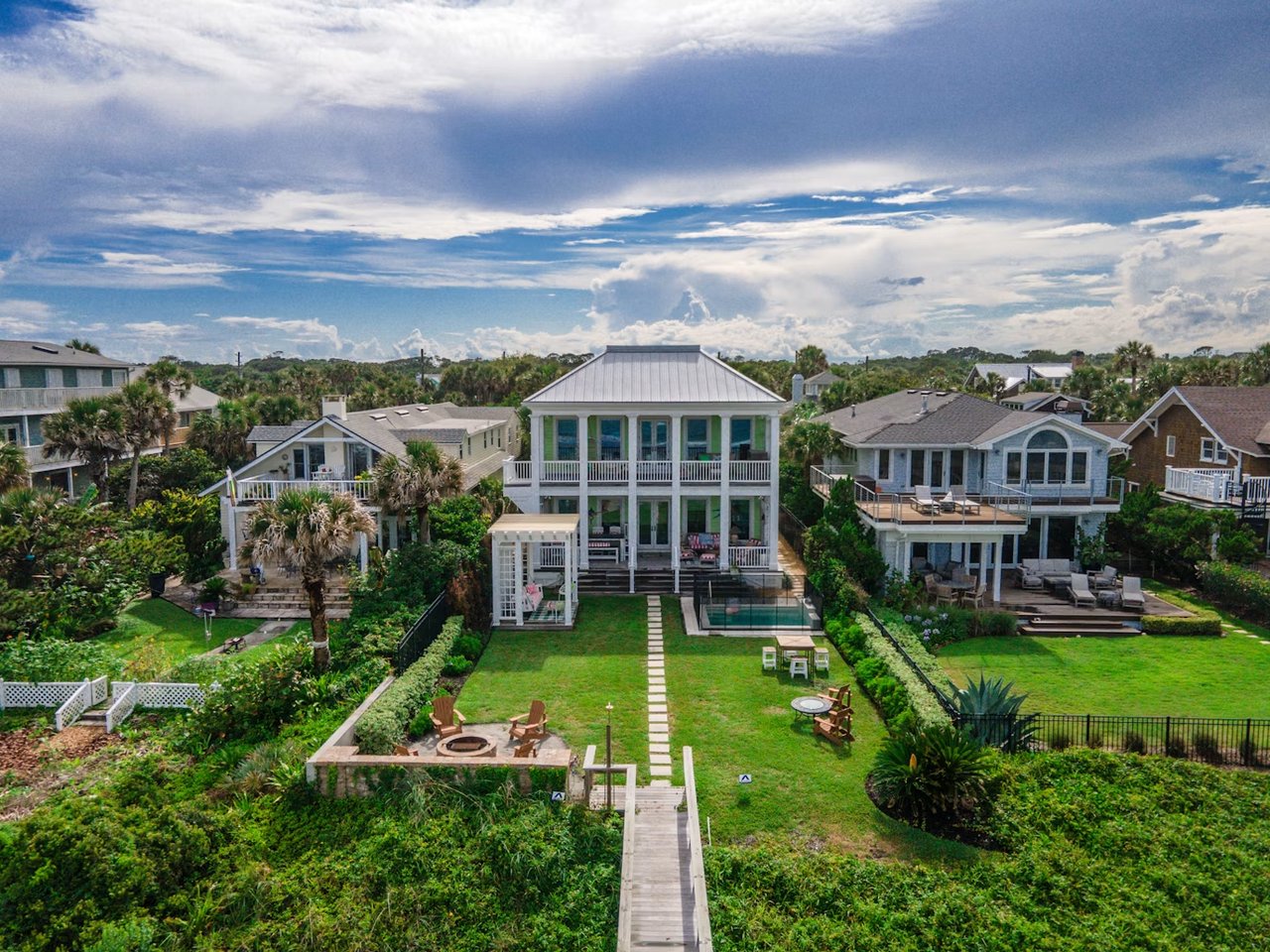
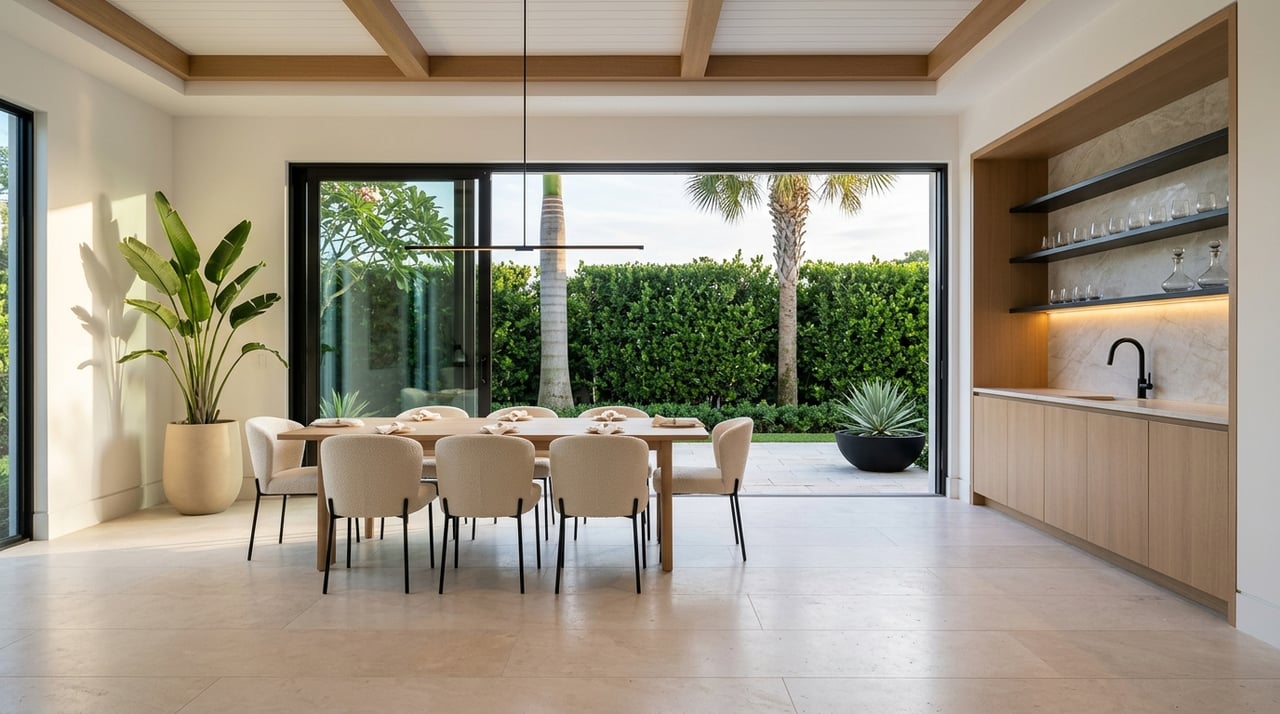
Recent homes in Pine Ridge point to several design directions that appear repeatedly in the market. These include light-filled contemporary homes, modern farmhouse influences, transitional-coastal design, and mid-century inspired courtyard plans.
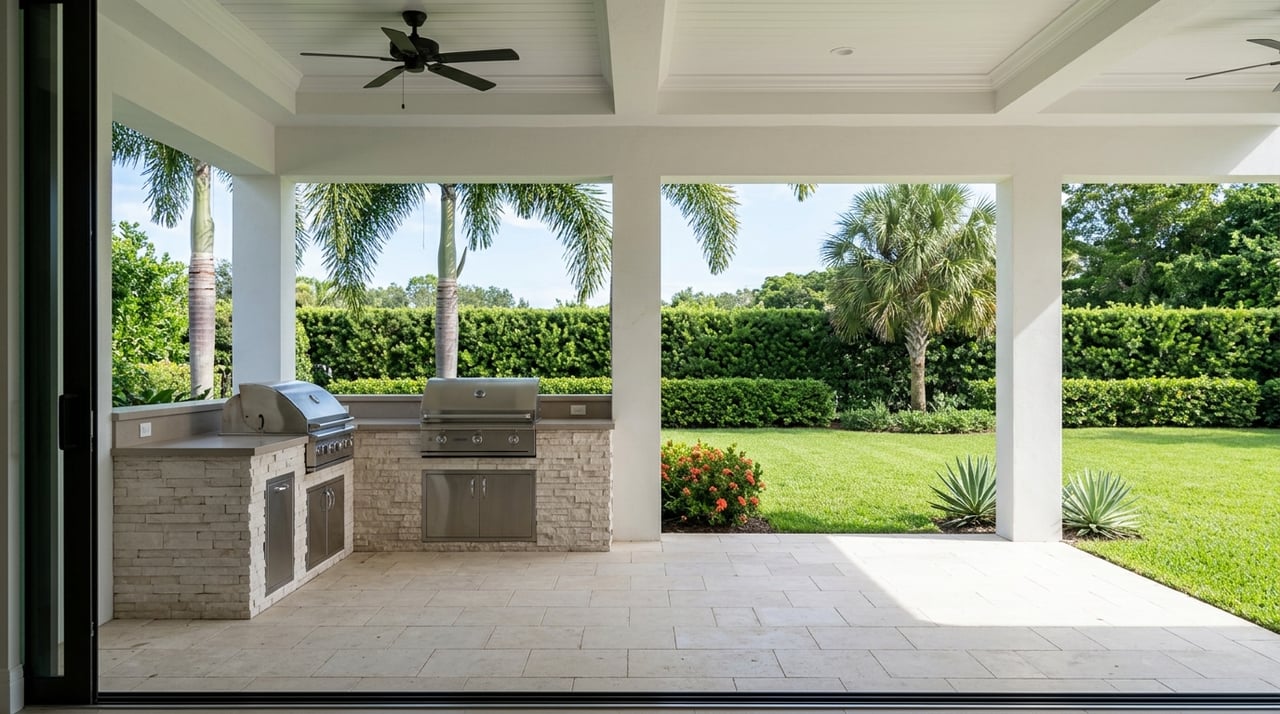
Across these examples, a few functional themes stand out. Buyers and owners tend to value indoor-outdoor flow, shaded outdoor living areas, guest suites, resort-style pools, and garages or ancillary spaces that suit estate-scale living.
Coherence Often Matters More Than Excess
In Pine Ridge, the goal is often to make the entire property feel cohesive. That includes the home, arrival sequence, landscape, pool, guest areas, and service spaces.
A well-planned property usually feels intentional from the street to the backyard. That kind of cohesion can be more compelling than adding features that feel oversized, disconnected, or overly personalized.
Because Pine Ridge developed through multiple recorded phases, there is no single formula that works on every homesite. The safest path is to shape the architecture around the lot, setbacks, and recorded covenants tied to that parcel.
Keep Resale in Mind From Day One
Even if you plan to enjoy the home for years, resale positioning still matters. In Pine Ridge Estates, buyers often place significant value on the land itself, not just the existing improvements.
The neighborhood’s appeal is tied to space, privacy, and flexibility more than to shared amenity packages. That is one reason some properties are evaluated as land-value or tear-down opportunities, while others stand out because the home and lot work together well.
If resale is part of your long-term thinking, improvements that modernize systems, improve function, and align with estate-scale expectations are generally easier to position in the market. Very specific or highly personal design choices may appeal to a narrower group of future buyers.
Due Diligence Can Save Time and Money
Before you commit to plans, confirm the basics for your parcel in writing and through the proper sources. In Pine Ridge Estates, small details can have big consequences.
A strong due diligence checklist should include:
- Governing jurisdiction
- Flood zone status
- Recorded easements
- Covenant language
- Official plat details
- Any prior conditional-use history or special parcel restrictions
This step is especially important if you are purchasing with the intention to build or remodel soon after closing. What works beautifully on one Pine Ridge lot may not work the same way on the next.
Why Local Guidance Matters
In a neighborhood like Pine Ridge Estates, building or remodeling is rarely a one-size-fits-all process. Lot characteristics, code limits, and design expectations all play a role in how successful the final result feels.
If you are evaluating a purchase, weighing a renovation, or deciding whether a property makes more sense as a build site, local market context can help you make a clearer decision. That is where neighborhood-specific insight becomes especially valuable.
When you want strategic guidance on buying, selling, or evaluating estate property in Pine Ridge Estates, connect with The Resop Team. Their Naples-specific perspective can help you assess the lot, the opportunity, and the long-term value with more confidence.
FAQs
What should you check before building in Pine Ridge Estates?
- You should confirm the parcel’s plat, recorded easements, covenant language, zoning setbacks, flood zone status, and governing jurisdiction before finalizing plans.
What are the setback rules for estate-zoned property in Pine Ridge Estates?
- In Collier County estate zoning, minimum setbacks are 75 feet in the front and rear and 30 feet on the sides, with a one-acre minimum lot area.
Do accessory buildings in Pine Ridge Estates follow different setback rules?
- No. In Agricultural and Estates districts, accessory structures such as detached garages and pool houses must meet the same setbacks as the main house.
Can you build a guesthouse in Pine Ridge Estates?
- Yes. Collier County allows detached guesthouses in estate zoning from 500 to 750 square feet with one habitable floor, subject to code requirements.
When does a remodel in Pine Ridge Estates count as a substantial improvement?
- In Collier County, a remodel becomes a substantial improvement when the work equals or exceeds 50 percent of the structure’s market value before construction.
Do you need permits for remodeling work in Pine Ridge Estates?
- Yes. Collier County requires permits for many types of residential work, including alterations, repairs, additions, demolition, and regulated electrical, gas, mechanical, and plumbing work.